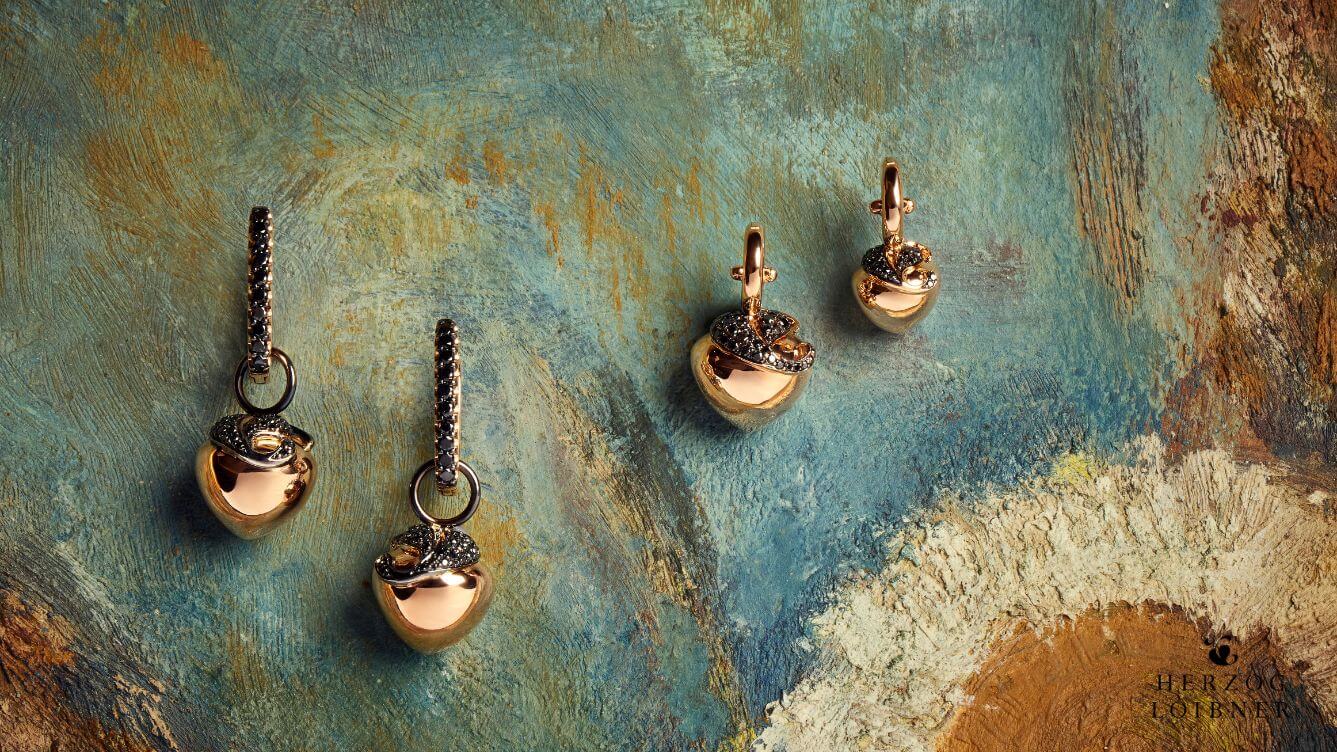
Gold Jewelry as an Investment: Do It Right
Is gold jewelry a good investment? Gold jewelry can be more than just an aesthetic statement; it can also become part of a well-thought-out asset strategy.
Key factors here are material quality, craftsmanship, timing of purchase, and proper classification compared to classic gold investments.
In this guide, you will learn how to properly evaluate gold jewelry and set up your investment correctly from the start.
Is gold jewelry a sensible investment?
Gold jewelry can "carry" wealth, but as an investment, it functions differently than bars or coins. When you buy jewelry, you pay for two values simultaneously: the material value of the gold and the value of the craftsmanship (design, artistry, brand). However, when selling later, the market often first evaluates the melt value, which is the pure gold content by weight and alloy.
For you, this means: Gold jewelry is particularly suitable as an investment if you also truly wish to wear it and if you consciously choose which parts of your purchase price will remain "value-retaining" in the long term.
The Influence of the Gold Price on the Return of Gold Jewelry
The gold price determines the basis on which the material value of your piece of jewelry develops. If gold rises, the melt value usually rises too. This is precisely why many people see gold as a real asset hedge, especially in times of economic uncertainty.
However, the second part of the equation is important: Your return does not automatically come from the gold price, because when buying jewelry, you often pay significantly more than the pure metal value. When reselling, you will often not get the original purchase price back – depending on the piece, condition, and demand – but rather a value based on the gold content.
Additionally, when selling, dealers deduct discounts (e.g., for testing, refining, risk, and margin). As a rough guide, consumer centers mention typical deductions in the range of 8 to 15%.
Mnemonic for your decision:
The higher the proportion you pay for brand, design, and manufacturing when buying, the more gold must rise for that to "balance out as a return."
Material Value vs. Manufacturing
With jewelry, the emotional and design value is often paramount, and this is precisely what makes it challenging as a pure financial investment. As mentioned earlier, you must differentiate between material value and manufacturing value:
Material value (measurable):
- Weight (grams)
- Alloy (e.g., 750)
- Current gold price (spot) as a guide
Manufacturing value (situational):
- Craftsmanship, settings, proportions
- Design signature and recognition value
- Brand, rarity, demand in the secondary market
If you consider gold jewelry primarily as an investment, a sober look is worthwhile: Many "normal" pieces of jewelry primarily achieve their material value when sold, while the manufacturing effort is only partially compensated upon resale.
If, however, you choose a piece that is timeless in design and convincing in craftsmanship, an additional value is created that cannot be determined as standardly as with investment gold.
750 Gold or Fine Gold
750 gold (18 karat) contains 75% fine gold and 25% alloy metals. This mixture improves hardness and suitability for everyday wear: one reason why 750 gold is so common in high-quality jewelry.
585 gold (14 karat) consists of 58.5% fine gold. Due to the higher proportion of alloy metals, it is slightly harder and more resistant to scratches. It is often used for everyday jewelry where robustness is a priority.
375 gold (9 karat) contains 37.5% fine gold and a significantly higher proportion of additional metals. This makes it cheaper and stable, but it has a less intense color and a lower material value.
Fine gold (999/24 karat) consists almost entirely of gold. It is ideal for bars and many coins because the fineness is maximum.
Melting down old gold
If you own old jewelry that is rarely worn, "scrap gold" can be a very clear lever: You part with the piece and realize its material value. This creates space and budget for something that truly suits you.
Proceed systematically as follows:
- Check the alloy (hallmarks like 333, 585, 750) and determine the weight.
- Estimate the material value (weight × fine gold content × current gold price as a guide).
- Obtain several offers and compare deductions.
If you have old gold melted down, ultimately it's the fine gold content that matters most. The design and "history" of the piece then play hardly any role. Instead, something new emerges: either as a payout or as the basis for a new creation.
Jewelry and other investments like gold bars and coins in comparison
If you are considering gold to secure or diversify your assets, then in addition to wearable jewelry, classic investment forms such as bars and coins are also available. Each option combines value with its own strengths and peculiarities.
Gold Jewelry
Gold jewelry impresses with its beauty, craftsmanship, and personal significance. Its value is composed of material price, design, workmanship, and brand.
When reselling, buyers often only pay the material portion and additionally deduct craftsmanship and dealer margins. Therefore, jewelry usually yields less return in the market than physical investment gold.
Gold Bars
Gold bars are considered the most classic form of physical investment. They consist of very pure gold with a clearly defined weight and a manageable price structure.
This direct focus on gold content makes bars more tradable and closer to the spot price of the precious metal than jewelry. Furthermore, the premiums compared to the pure metal value are often lower than with coins or jewelry.
Gold Coins
Gold coins combine many advantages: they also have a high fineness and are often easier to sell than larger bars.
Moreover, with classic investment coins (e.g., Krugerrand, Maple Leaf), a collector's value can emerge that has an impact beyond the pure gold value.
Ask yourself these questions as a decision-making aid:
- If you want to purely invest and preserve value, bars are usually the most efficient choice due to their proximity to the gold price and better liquidity.
- If you are looking for flexibility and easy partial sale, smaller coins can be advantageous.
- If you value design and wearable quality, then jewelry combines emotional value with material security.
These pieces of jewelry are best suited for investing
If you view jewelry as a valuable purchase, a clear focus is worthwhile: liquidity, demand, and verifiable quality are more important than mere aesthetics.
Financial media and market observers see the best opportunities in iconic branded pieces and intricately crafted unique items, while "generic" jewelry often falls back to its material value when sold.
1. Icons with high resale value
Pieces with a clear signature and lasting demand profile are easier to trade. Especially with Cartier, secondary market analyses show high value retention rates for core collections (e.g., Love/Juste un Clou/Trinity), provided you keep the box, papers, and a traceable history.
2. Profitability of watches
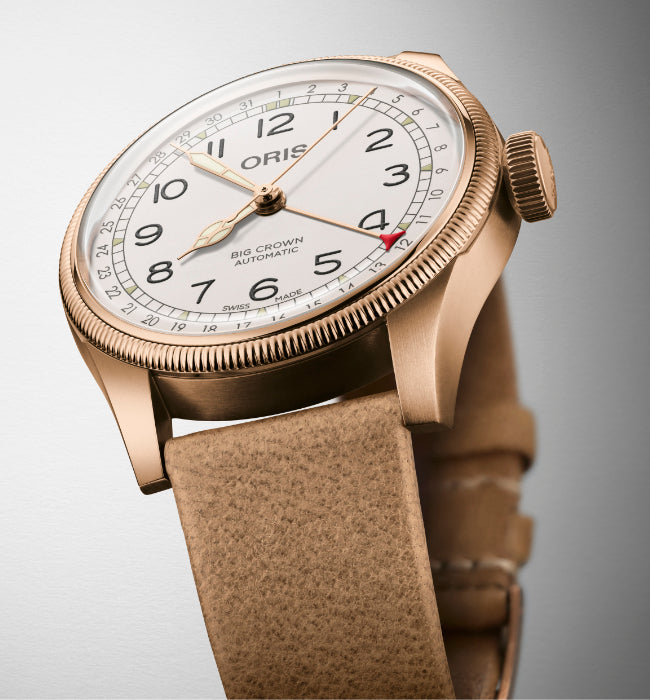
For watches, the secondary market is particularly strong: models from Rolex or Patek Philippe can develop robustly over years, but fluctuate noticeably. Performance often concentrates on a few top brands and references.
3. Jewelry with gemstones
Gemstones are particularly worthwhile if you can prove quality: certificates, clear parameters (cut, color, clarity), and ideally rare provenances. Diamonds, as well as high-quality rubies, sapphires, and emeralds, are considered comparatively stable in value.

When you should refrain from using jewelry as an investment
Jewelry becomes a weak investment if the eventual selling price is significantly lower than the original purchase price. This mainly happens for the following reasons:
- High new purchase premium: When you buy, you pay for design, craftsmanship, brand, and retail margins. These added values usually cannot be fully realized on the secondary market.
- Loss of return due to manufacturing and design costs: When reselling, buyers tend to focus more on the gold content and weight than on the artistic execution. Trend-dependent designs, in particular, lose demand more quickly.
- Transaction costs when selling: When buying gold, deductions from the material value often occur. At auctions, premiums and sales commissions further reduce the net proceeds.
- Market fluctuations and demand cycles: During periods of high gold prices or economic uncertainty, jewelry demand often declines, while investment gold is preferred.
How to Invest in Jewelry
If you want to use jewelry as part of your asset strategy, transparency, timing, and clever combinations are paramount.
Documenting Authenticity and Value
Consistently secure all relevant documents:
- Purchase receipts and certificates (e.g., for gemstones)
- Professional appraisals for high-value pieces
- Clear photos of hallmarks, settings, and overall view
These proofs facilitate later valuations and strengthen your negotiating position when selling.
When is selling worthwhile, and which channel is suitable?
Selling is advisable when the gold price is high or if you want to reallocate capital. Compare several options:
- Jewelers & gold buyers: fast, but often with deductions from the material value
- Auction houses: suitable for brand-name pieces, unique items, or rare designs
- Online marketplaces: greater reach, but higher effort and price negotiations
The higher quality and stronger the brand of your jewelry, the more worthwhile it is to use specialized sales platforms or auctions.
Combining gold jewelry, bars, and coins effectively
A mix is recommended for stability:
- Gold bars and coins as a direct gold price-linked base
- Gold jewelry as a valuable addition with emotional and design value
This way, you combine liquidity, intrinsic value, and aesthetic ownership – and build a balanced precious metal portfolio.
High-quality Gold Jewelry at Herzog Loibner
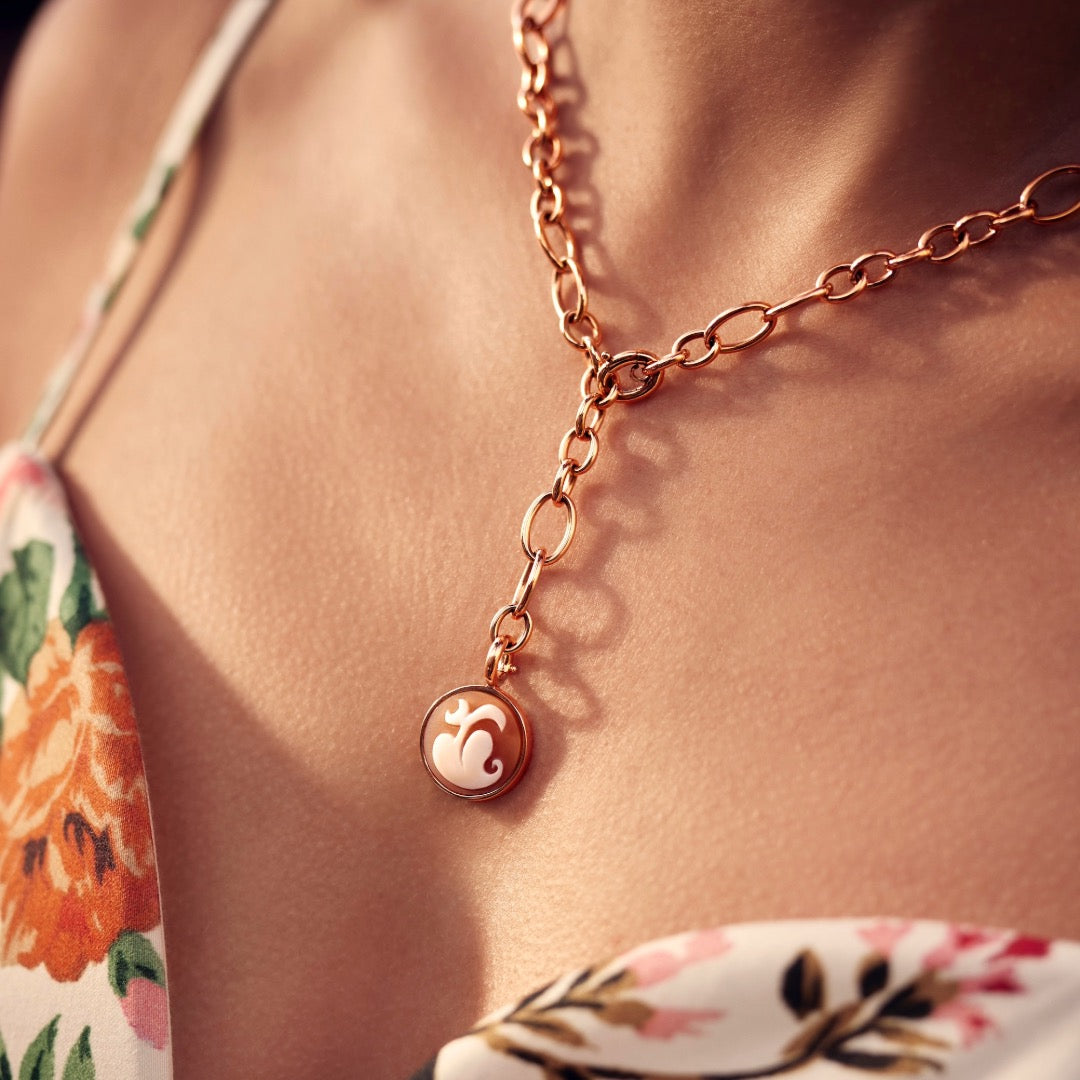
Herzog Loibner stands for quality gold jewelry that combines design, craftsmanship, and material quality in a clear line. As a Liechtenstein family business with its own goldsmiths, we value pieces of jewelry that are consciously designed for longevity, timeless aesthetics, and precise workmanship.
The assortment includes Fine Jewelry such as rings, necklaces, bracelets and earrings made of 18-karat gold, as well as selected pieces with diamonds and colored gemstones.
The collection is complemented by individually configurable designs, where you can specifically adjust the gold color, stone setting, and proportions. This creates jewelry that not only convinces aesthetically but also remains verifiably handcrafted and material-wise.
In addition to jewelry, Herzog Loibner also offers physical investment products such as gold bars in ounce sizes and selected gold coins. This gives you the opportunity to combine wearable gold jewelry and classic investment gold in a coordinated strategy.
What you can expect from us:
- Clear material specifications: You will know exactly which alloy and gold quality have been used.
- Handcrafted production: Our pieces are made in our in-house goldsmith workshop and are designed for durability.
- Transparent advice: You receive clear explanations about carat, craftsmanship, care, and value retention.
- Documentation and traceability: Upon request, you will receive accompanying documents that prove the material and quality of your piece of jewelry.
Thus, at Herzog Loibner, you not only choose a piece of jewelry but also receive a design that combines clarity, material quality, and craftsmanship, and will accompany you for many years.
FAQ
Below you will find additional content on the topic of "Gold jewelry as an investment."
Is platinum, gold, or silver a more sensible investment?
If you consider precious metals as an investment, you should be aware of the differences in stability, tradability, and price fluctuations:
Gold:
- Historically considered a comparatively stable investment
- Easily tradable worldwide, especially as bars or coins
- Often used as an inflation hedge
Platinum:
- Rarer than gold, limited supply
- Highly dependent on industrial demand
- Higher price fluctuations possible
Silver:
- Cheaper entry into precious metal investments
- Heavily used industrially, thus dependent on economic cycles
- Significantly more volatile price development than gold
Do diamonds and rare gemstones increase value?
Diamonds and gemstones can significantly increase the value of a piece of jewelry, especially if they are rare and high-quality. Due to their rarity and demand, well-certified stones often achieve a high return. However, when buying jewelry, you should seek competent advice, as the setting, cut, and origin strongly influence the price, and fake or poorly evaluated stones can reduce the investment.
Is gold jewelry a worthwhile investment in times of crisis?
Gold jewelry is often seen as a popular investment in times of crisis, because demand for both gold and silver rises in uncertain times. Nevertheless, gold bars and coins are often the better choice for pure capital preservation. Jewelry is more part of a combined strategy: as a wearable form of wealth, it can offer emotional and material value, but when buying, one should pay attention to quality, alloy, and authenticity proofs, as the price for gold is not always fully passed on to the buyer.